Call us now :07313725915
 Send Inquiry
 Send Inquiry
Pantograph Spring
Pantograph Spring Specification
- Product Type
- Pantograph Spring
- Material
- High-Grade Spring Steel
- Surface Handling
- Polished
- Shape
- Helical Coil
- Usage
- Pantograph Mechanism for Electric Locomotives
- Capacity
- Heavy Duty Load Bearing
- Diameter
- Variable (Custom Available)
- Height
- Variable (Custom Available)
- Size
- Standard and Customized Sizes Available
- Color
- Metallic Silver
- Customization
- Available as per Client Specification
- Compliance
- Meets IEC and Railways Standards
- Tensile Strength
- High, Designed for Repeated Mechanical Stress
- Resilience
- Excellent Fatigue Resistance
- Operating Temperature
- -40C to +120C
- Service Life
- Extended, Suitable for Harsh Environments
- Pack Type
- Individual Protective Packing
- Application
- Used in Overhead Railway Electric Traction Systems
Pantograph Spring About
Backed by years of experience in this field and good understanding of the market, we are actively dedicated towards proposing innumerable valuable clients with the best-in-grade Pantograph Spring. This type of product is stable in performance, reliable in surface, light in design, attractive in appearance, and anti-corrosion as it is made for top of the line metal spring and graded material platform. Pantograph Spring is designed to be utilized at the underside of the pantograph and for serving a dual purpose.
Engineered for Railway Electric Traction
Specifically crafted for pantograph applications in electric locomotives, these springs ensure stable current collection by maintaining consistent pressure between the pantograph and overhead contact wire. Their high resilience and fatigue resistance guarantee reliable performance even in demanding railway operations.
Exceptional Durability and Customization
Produced from high-grade spring steel, Pantograph Springs offer excellent mechanical strength and long service life. Customization is available according to client specifications, including variable diameters, heights, and load capacities, ensuring a tailored fit for any railway system.
Reliable Performance in Harsh Conditions
With a corrosion-resistant polished coating and operational temperature range from -40C to +120C, these springs thrive in harsh environmental conditions. Their robust design maintains functionality through temperature fluctuations and environmental stress, maximizing the pantograph mechanism's efficiency.
FAQ's of Pantograph Spring:
Q: How does the Pantograph Spring contribute to efficient electric traction in railways?
A: The Pantograph Spring ensures stable contact pressure between the pantograph and overhead wires, enabling consistent electrical transmission crucial for uninterrupted railway operations. Its high tensile strength and fatigue resistance allow it to perform reliably under continuous mechanical stress.Q: What customization options are available for Pantograph Springs?
A: Springs can be customized by diameter, height, and load capacity to meet specific client requirements. Both standard and tailored sizes are offered, enabling compatibility with various electric locomotive configurations.Q: When should a Pantograph Spring be replaced?
A: Replacement is recommended if there is visible fatigue, corrosion, loss of elasticity, or reduced contact force. Routine inspections adhere to Indian Railways standards, and timely replacement ensures optimal system performance and service life.Q: Where can Pantograph Springs be used apart from electric locomotives?
A: While primarily designed for pantograph mechanisms in overhead electric traction systems, these springs can be adapted for similar high-stress environments in transit systems and heavy-duty current collection devices that require consistent mechanical resilience.Q: What is the process of ensuring quality compliance for these springs?
A: Each spring undergoes thorough testing to verify tensile strength, fatigue resistance, and corrosion protection. All products conform to IEC and Indian Railways standards, ensuring dependable quality and safety for railway applications.Q: How does the corrosion-resistant coating benefit the spring's performance?
A: The corrosion-resistant coating shields the spring from moisture, chemicals, and environmental contaminants, significantly extending its lifespan and maintaining reliable conductivity in diverse and harsh operating conditions.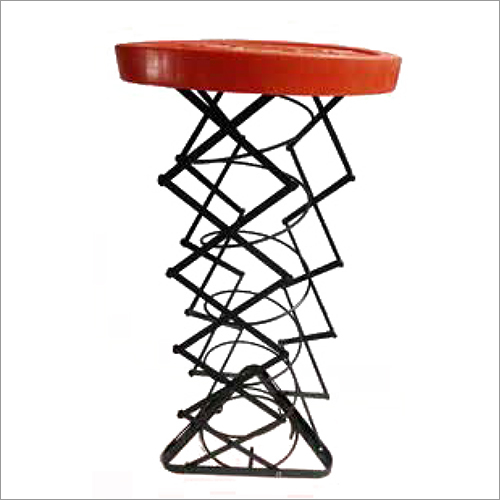
Tell us about your requirement

Price:
Quantity
Select Unit
- 50
- 100
- 200
- 250
- 500
- 1000+
Additional detail
Mobile number
Email

More Products in Can Accessories Category
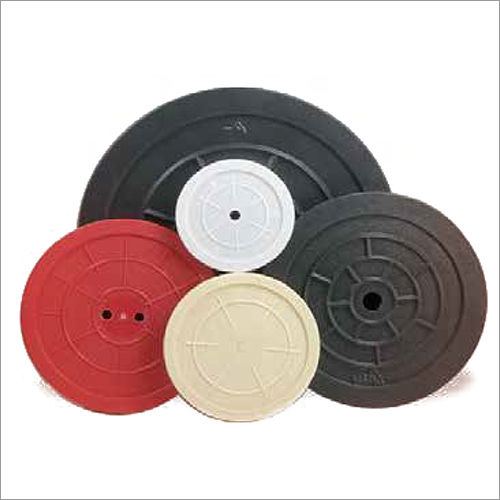
Spring Top Box
Minimum Order Quantity : 500 Pieces
Capacity : 200g to 500g (Customizable)
Diameter : 85 mm (approx.)
Size : Standard & Customized sizes available
Usage : Other, Food Packaging, Gift Packaging, Storage
Color : Multicolor or Customized Printing

 Send Inquiry
Our Products


Post Box No. 6015, Near Ajit Mill, Rakhial Road,Ahmedabad - 380023, Gujarat, India

Ms Purvi A Shah
(Partner)
Mobile :07313725915
 Send Inquiry
 Call Me Free
Developed and Managed by Infocom Network Private Limited.


